
What is Beard Transplantation?
Beard transplantation involves transferring hair follicles to areas where beard growth has decreased or stopped.
This procedure is applied to areas where beard growth is absent due to genetic factors, scarring, or hormonal reasons. Healthy hair follicles, usually taken from the nape of the neck, are transplanted to the beard area at an angle that matches the natural hair growth pattern. The goal is permanent, natural, and personalized results. While beard transplantation is primarily for aesthetic purposes, in some cases it also boosts self-confidence. With proper planning, transplanted beard hairs can be shaved, will grow, and will not fall out.
Who is a suitable candidate for beard transplantation?
- People with sparse or no beard growth due to genetic reasons.
- Those with gaps, patchy appearance, or irregularities in the beard area
- Those experiencing beard loss due to scarring, burns, or trauma.
- Situations where beard growth cannot be achieved after hormonal treatments.
- Those who want to complete their beard and mustache look
- Those who have sufficient and healthy hair follicles in the donor area.
- Individuals whose general health condition is suitable for transplantation.
- For those who want a permanent and natural beard look.
How is a beard transplant performed?
Beard transplantation is performed by individually transplanting hair follicles taken from the nape of the neck to the beard area.
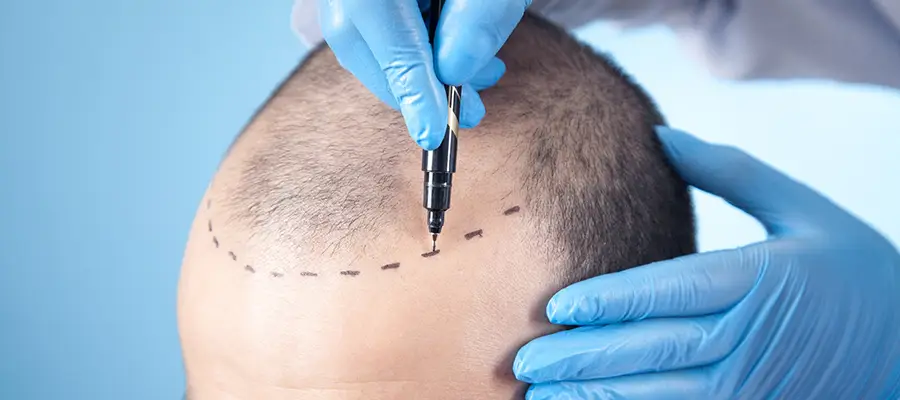
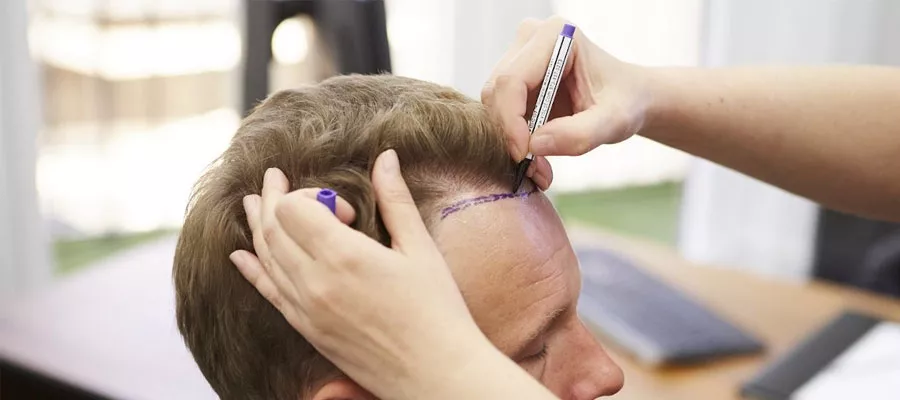
First, grafts are harvested from the donor area, then a natural-looking plan is created for the recipient area. Hair follicles are placed at the appropriate angle by opening micro-channels. The transplantation procedure is performed under local anesthesia and usually takes 4-6 hours. Crusting, mild swelling, and redness may occur after the procedure. Healing begins within 1 week, and permanent results are achieved within 6-12 months. Shavable and naturally growing beards are obtained.
What are the methods for beard transplantation?
Beard transplantation is performed using methods such as FUE, DHI, and Manual FUE; the choice is made on an individual basis.
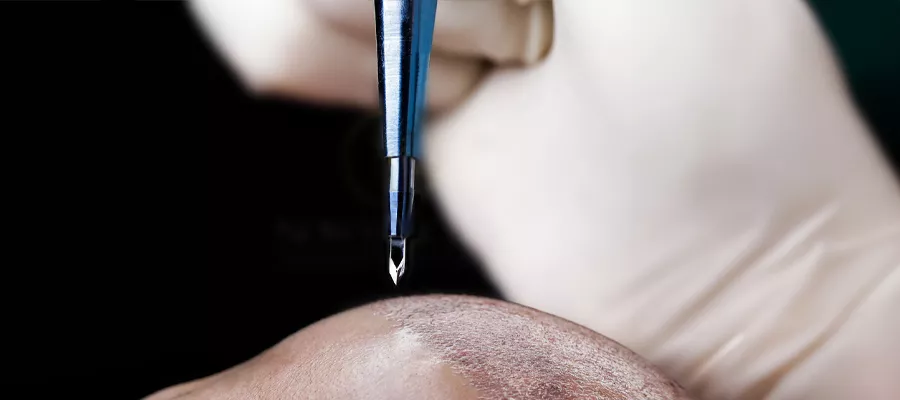
In the FUE method, hair follicles are harvested and placed through channels. In the DHI technique, direct implantation is performed using a special pen, offering the advantage of more controlled direction. Manual FUE is less traumatic and is preferred in sensitive areas. Which technique to use is determined by the specialist based on the individual’s beard density, skin type, and desired appearance. The goal of all methods is to achieve natural and lasting results.
How long does a beard transplant take?
Beard transplant surgery usually takes between 4 and 8 hours to complete.
The duration varies depending on the number of grafts to be transplanted and the technique chosen. The DHI method may take longer, while the classic FUE method can be completed more quickly. Since the procedure is performed under local anesthesia, the patient does not feel pain and can be discharged on the same day. As beard density increases, the procedure time also increases. Planning, graft harvesting, and transplantation stages are completed in a single session. A second session may rarely be necessary for large areas.
Is Beard Transplantation Permanent?
Yes, beard transplant results are permanent when performed correctly.
The hair follicles used in the procedure are genetically resistant to hair loss. After being implanted in the beard area, these follicles adapt and continue to grow throughout life. Temporary shock shedding may occur in the first 1-3 months, but this is normal. Hair that grows back from the 6th month onwards becomes permanent. A natural look can be maintained with regular shaving in the long term. The permanence of the results is directly related to the quality of the procedure and post-operative care.
Causes of Beard Loss/Thinning
- Genetic predisposition and family factors
- Hormonal imbalances, especially testosterone problems.
- Autoimmune diseases such as alopecia areata (hair loss)
- Stress, intense anxiety, and traumatic periods
- Improper beard care and skin-irritating practices.
- Scars, burns, or skin traumas
- Vitamin and mineral deficiencies (especially B12, iron, zinc)
Beard Transplant Techniques: FUE or DHI?
In beard transplantation, the choice between FUE and DHI techniques depends on the target density and skin type.
In the FUE method, hair follicles are harvested and then placed into opened channels. In the DHI technique, hair follicles are directly placed using a special pen, which facilitates directional control and dense implantation. DHI offers the advantage of less tissue damage and faster healing. FUE, on the other hand, provides a more economical and faster solution for larger areas. Both techniques yield natural results; the appropriate method should be determined after an expert examination.
When does beard growth occur after a beard transplant?
The first hairs after a beard transplant grow within 2-3 weeks, and permanent beard hairs become visible from the 6th month onwards.
Temporary shedding (shock shedding) of transplanted hairs may occur in the first few weeks. This is a natural part of the process. Actual growth usually begins after the 3rd month and becomes permanent between 6-12 months. It takes a year for the results to fully settle. During this time, the beard will grow naturally, can be shaved, and styled as desired.
Does Beard Transplantation Hurt?
Since the beard transplant procedure is performed under local anesthesia, no pain is felt.
The anesthesia administered before the procedure completely prevents pain during the transplant. Mild stinging, tenderness, or burning sensations may occur for a few days after the procedure. These effects can be controlled with simple painkillers. Furthermore, if needle-free anesthesia is preferred, the injection pain is also minimized. Overall, the procedure is comfortable and tolerable.
Does Beard Transplantation Leave Scars?
When performed with the correct technique, beard transplantation does not leave permanent scars.
FUE and DHI methods do not create large incisions on the skin because they are applied with micro-needles. Temporary crusting and redness heal within 7-10 days. The donor area is also concealed as hair grows back. In facial procedures, guidance that matches the natural beard structure ensures that no scarring is visible and a natural look is preserved. Only improper techniques or incorrect aftercare can increase the risk of scarring.
How many grafts are needed for a beard transplant?
In beard transplantation, the number of grafts varies depending on the size of the area to be transplanted.
- Usually 500–1,500 grafts are sufficient to fill sparse areas.
- For larger areas such as the cheeks and jawline, 2,000–3,000 grafts may be needed.
- The number of grafts is increased in procedures planned for both mustache and sideburns.
- For a natural appearance, grafts are selected individually and in thin strips.
- Facial structure and expected beard density affect the need for grafts.
- Excessively dense planting can lead to unnatural results.
Differences Between Beard and Moustache Transplantation
Although beard and mustache transplantation are technically similar, differences in angle and direction specific to the area are important.
While beard transplantation targets the chin, cheeks, and sideburns, mustache transplantation is performed along the upper lip line. Because the mustache area is smaller, fewer grafts are sufficient. Furthermore, the mustache area is more susceptible to facial expressions, which alters the healing process. In both procedures, hair follicle orientation must be carefully determined for a natural appearance. The planning process varies depending on the individual beard structure.
When will the results of a beard transplant be visible?
The results of beard transplantation become noticeable from the 6th month onwards, and the full results are evident after 12 months.
In the first few weeks, a process of scabbing and shock shedding occurs. New beard hairs begin to grow after the 3rd month. Density increases and the aesthetic appearance improves by the 6th month. It takes approximately 1 year for the results to become permanent and for the beard to enter its natural growth cycle. This process can vary from person to person. The quality of the results depends on the transplantation technique, graft placement, and aftercare process.
Does Beard Transplantation Look Natural?
Yes, beard transplantation performed at the correct angle and direction provides a natural look.
In hair transplants planned by a specialist physician, hair follicles are placed in accordance with the natural beard direction. This ensures that the transplanted hairs integrate with the existing beard and are not noticeable from the outside. DHI and manual FUE techniques offer more precise application possibilities. With proper healing and care, a completely natural look is achieved. It is almost impossible to notice, especially after shaving.
Are there any risks involved in beard transplantation?
Beard transplantation, when performed by skilled professionals, is a low-risk procedure.
However, as with any surgical procedure, minor complications can occur. The most common risks include temporary redness, crusting, swelling, or infection. Rarely, ingrown hairs, hair loss, or scarring may occur. These risks are usually minimized with proper pre-operative planning and post-operative care. Choosing an expert physician and performing the transplant under sterile conditions makes the process safe.
Things to Consider Before Beard Transplantation
Quitting smoking and alcohol for at least two weeks before a beard transplant will speed up the healing process.
Additionally, blood thinners, aspirin, and herbal supplements should be discontinued with a doctor’s approval as they can increase bleeding. The scalp and beard area must be clean and infection-free before the procedure. Your medical history, allergies, and current medications should be shared in detail with your doctor. Blood tests, skin analysis, and graft planning are performed beforehand. Adequate sleep, a balanced diet, and stress reduction also increase the success of the procedure. These preparations are critical for a natural look and lasting results.
Things to Consider After Beard Transplantation
It is important to avoid rubbing the beard area and protect it from bumps for the first 3 days after a beard transplant.
Avoiding contact with water for the first 48 hours and adhering to hygiene rules will reduce the risk of infection. Gentle cleaning should be done with the shampoo or lotion prescribed by your doctor. Crusting will occur in 7-10 days; do not forcibly remove the scabs. Activities such as strenuous exercise, sauna, and sleeping on your stomach should be postponed for 1-2 weeks. Also, avoid accessories that put pressure on the skin, such as hats or head coverings. Taking your medication regularly and attending your check-ups without fail will speed up healing.
Beard Transplant Prices 2026
In 2026, beard transplant prices generally ranged between 1,000 £ and 4,000 £
Will beard hairs grow back patchy after a beard transplant?
In the first few months, the beard may look patchy, but this is temporary.
Shock shedding occurs 1-3 months after a beard transplant. During this period, some areas may appear bald while others are fuller. However, this imbalance gives way to an even and balanced appearance starting from the 6th month. After 12 months, the beard grows naturally and homogeneously. Patchy appearance usually disappears completely with a patient healing process. The right technique and expertise ensure a healthy healing process.
Will my beard become coarse after a beard transplant?
Hairs that grow after a beard transplant may be coarse at first, but they will soften over time.
Hair follicles taken from the donor area may initially have a different stiffness than the beard hairs. However, as they adapt to the skin surface, these hairs gradually become finer and closer to the natural beard texture. The beard texture will visibly adapt within approximately 6-12 months. Regular shaving and grooming also support this softening. The initial stiffness is temporary and usually not permanent.
Will beard hairs grow evenly after a beard transplant?
The rate at which hair grows after a beard transplant can vary from person to person.
In the first few months, beard hair may grow faster in some areas and slower in others. This unevenness is normal and will balance out over time. Genetic factors, skin type, and blood circulation can all affect the growth process. Generally, growth rates even out after the 6th month. Regular care and patient waiting will support natural and balanced beard growth.
Will beard hair grow back after a beard transplant?
When done with the correct technique, transplanted beard hairs are permanent and will not fall out.
However, the “shock shedding” experienced in the first few months is temporary and does not require concern. During this process, the transplanted follicles remain in place, and only the hair on top falls out. The risk of permanent hair loss usually occurs as a result of technical errors, infection, or inadequate care. With proper care and medical supervision, transplanted beard hairs will be long-lasting and continue to grow naturally.